
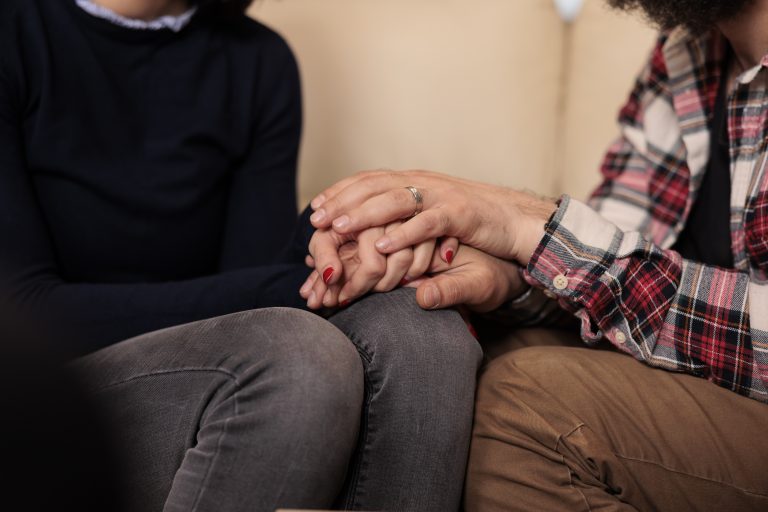
Marriage is a tremendous emotional, spiritual, and functional commitment. It is such a big transition, that many couples elect to have premarital counseling together in order to do build a stronger relationship and make sure they’re ready for the next step as a couple.
But this type of therapy also does not have to be done as a couple. Some individuals choose to consider individual premarital counseling – therapy where you can find out if you’re ready for marriage, how you feel about your partner, what your worries are, and so much more.
Most people think of premarital counseling as something couples do together — a few sessions to talk through finances, family plans, and communication styles before the wedding.
That version has real value. But there is another version that far fewer people consider, one that may matter just as much: individual premarital counseling, where you do the work on your own before you walk down the aisle.
The question “are you ready for marriage?” usually gets answered based on how the relationship feels.
- Do you love this person?
- Do you see a future together?
- Are you excited?
When those answers are yes, most people feel like they’ve cleared the bar. But readiness for marriage isn’t only about how you feel about your partner — it’s also about what you’re bringing into the relationship. Your patterns, your history, your expectations, your communication habits, and the parts of yourself you may not have fully examined yet.
That’s what individual premarital counseling addresses.
What You Bring Into a Marriage
Every person enters a marriage carrying things that predate the relationship. Attachment patterns formed in early childhood. Family dynamics that shaped how you understand love, conflict, and commitment. Beliefs about what marriage is supposed to look like — some examined, many not. Past relationships that left residue, even when you think you’ve moved on.
None of that disappears when you get married. In most cases, it becomes more visible. The intimacy and permanence of marriage have a way of surfacing patterns that dating, even long-term dating, kept below the threshold. Individual premarital work creates a space to look at those patterns before they become entrenched habits in a new household.
Some of the areas that individual premarital counseling tends to surface include:
- Attachment Patterns — How you’ve learned to connect with and depend on others, rooted in early relationships, shapes how you show up as a partner in ways that aren’t always visible to you.
- Expectations About Marriage — Many people carry assumptions about what marriage is supposed to look like — from family of origin, from culture, from what they’ve observed — that they’ve never actually examined or articulated.
- Communication Tendencies — How you handle conflict, disagreement, and emotional discomfort matters enormously in a marriage. Individual work helps you see your own patterns before they become problems.
- Unresolved Personal History — Past relationships and family dynamics that still carry emotional weight don’t disappear when you get married. They tend to show up more, not less.
- Fear and Ambivalence — Pre-wedding anxiety is common, but not all of it is just nerves. Individual counseling creates space to look at what’s underneath that anxiety without having to manage your partner’s reaction at the same time.
None of these are signs that something is wrong. They are the material every person brings into a marriage — and examining them ahead of time is one of the most thoughtful things you can do.
Why Individual Work Is Different from Couples Work
When both people are in the room together, the conversation naturally centers on the dynamic between them. That’s valuable — but it also means there are things that don’t get addressed. Individual work creates space for a different kind of honesty, the kind you can only access when you’re not simultaneously managing how your words land on someone else.
Some people use individual premarital counseling to work on personal anxiety around the transition. Others use it to look at patterns from their family of origin that they don’t want to carry forward. Others come in simply wanting to be as clear and self-aware as possible before making a lifelong commitment. There’s no single reason — all of them are legitimate.
The goal isn’t to identify problems. It’s to go into the marriage knowing yourself better than you did before.
Premarital Counseling Isn’t Only for Crisis
One of the most common objections to individual premarital counseling is that things are fine. The relationship is healthy, communication is good, there are no red flags. Why would therapy be necessary?
Therapy isn’t only for crisis. Some of the most productive work happens when there isn’t a pressing problem — when there’s room to reflect without urgency, look at patterns without being in the middle of a conflict, and make intentional choices about who you want to be in a major life transition. Marriage is one of the most significant decisions a person makes. Going into it with greater self-awareness and clearer expectations isn’t a luxury. It’s preparation.
Esther Oh works with individuals through psychotherapy and coaching in San Francisco, including people navigating major life transitions like marriage. If you’re engaged or seriously considering it and want to do some individual work before the wedding, reach out through the contact page or call or text directly at (415) 841-3687 to schedule a free initial consultation.